Texas Parks and Wildlife Department | Austin Texas
For the next two weeks, Texans are invited to take part in the fourth statewide Pollinator BioBlitz. The goal of the BioBlitz, which runs from Oct. 4-20, is to raise awareness of the diversity and importance of pollinators while bringing greater attention to the critical habitat needs of monarchs and native pollinators across the state.
In support of the event, organizations and sites around the state will be hosting a variety of events to get people outdoors to observe pollinators of all types in yards, natural areas, gardens, parks and community centers. Of course, you don’t have to visit a particular site to participate; your very own yard or green space will do.
Hagerman National Wildlife Refuge will be holding Butterfly Garden Walks on October 5th and October 19th. Butterflies and all Texas pollinators have suffered during this hot summer. Now that the weather has begun to cool a bit, the pollinators are out feeding on fall blooming flowers.
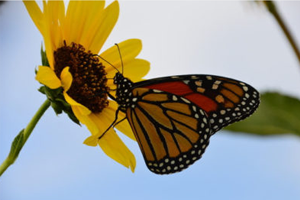
“Documented declines in insect populations, particularly pollinators, have brought to the forefront the need to better understand these species and the support they provide Texas rangelands, agriculture and native ecosystems,” says Ross Winton, invertebrate biologist for the Texas Parks and Wildlife Department. “Texas is home to thousands of pollinator species from the iconic monarch down to the smallest solitary bee.”
Citizen scientists involved in projects like this help us gather data on Texas species and the plant communities they are connected to, Winton adds. This helps us learn not only what we have in our great state but also what we need to strive to protect.
The BioBlitz is designed to be fun for all ages, with no experience required. Participants are simply asked to look for pollinators, such as bees, butterflies and moths, as well as nectar-producing plants; photograph or take video of them; and share their discoveries online via Instagram or Facebook using the hashtag #TXPollinators. Plant and insect species may be difficult to identify, so observers are encouraged to post what they know. For example, “Striped bee on Turk’s cap in Mission, Texas” is fine.
Participants are encouraged to take it a step further and help increase the amount of data collected during the peak of fall migration by becoming a citizen scientist. Anyone can sign up and record their observations through the iNaturalist application on their phones or home computers. All pollinators and flowering plants posted between Oct. 4-20 will automatically be included in the 2019 Texas Pollinator BioBlitz Project at https://www.inaturalist.org/projects/2019-texas-pollinator-bioblitz. There is no cost to participate and the only tools needed are a camera or smartphone and internet access.
In addition to the monarch, 30 species of pollinators have been designated as “Species of Greatest Conservation Need” by TPWD. Native butterflies, bees, moths, bats, hummingbirds, wasps, flies and beetles are essential to healthy ecosystems and sustain native plant species, human food crops and crops for livestock.
To learn more about the importance of pollinators, sign up to be counted, and locate events across the state, visit the Texas Pollinator BioBlitz website at www.tpwd.texas.gov/pollinators.
Participants can also sign up for weekly email updates during the event that will add to the excitement as everyone works together to increase awareness of our pollinators and the availability of their habitat.
Join event partners TPWD, National Butterfly Center, Lady Bird Johnson Wildflower Center, National Wildlife Federation, and the U.S. Fish and Wildlife Service as we celebrate the importance of pollinators.
It’s easy to get involved. Individuals and families, schools and clubs are all asked to join, observe, identify and share. At this time of year, cooler temperatures across the state also alert bees to eat as much as they can before hibernation begins, so it’s the perfect time to photograph, post and record the insects you see while enjoying the great outdoors.
To view a video news report about the Pollinator BioBlitz, visit https://youtu.be/IamRvnr7218.